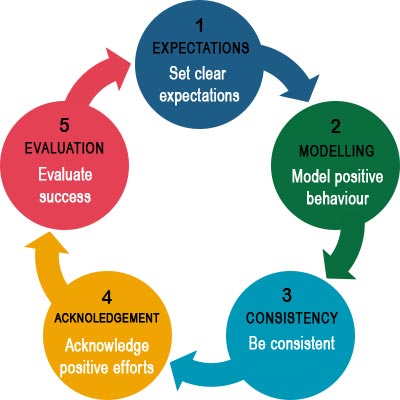

A well-managed classroom is not simply a quiet room where students follow instructions. It is a supportive learning environment where students understand expectations, feel respected, participate actively, and have opportunities to develop responsibility. Effective classroom management helps teachers reduce disruptions, build positive relationships, and make more time for meaningful learning.
Using positive classroom management strategies allows teachers to guide student behavior without relying entirely on punishment or constant correction. These approaches focus on prevention, encouragement, consistency, and teaching students the skills they need to succeed.
Whether you teach young children, elementary students, or teenagers, a positive approach can help create a classroom where students feel safe, motivated, and ready to learn. This guide explains practical techniques teachers can use to improve classroom behavior and strengthen student engagement.
What Is Positive Classroom Management?
Positive classroom management is an approach to organizing learning, establishing expectations, and guiding student behavior through supportive and proactive practices. Instead of focusing only on what students do wrong, teachers identify the conditions that encourage appropriate behavior and help students make better choices.
This approach combines clear rules, predictable routines, positive feedback, engaging instruction, and respectful communication. It also recognizes that students have different learning needs, emotional experiences, and levels of self-regulation.
For example, rather than repeatedly telling students to stop talking, a teacher might establish a clear signal for gaining attention, practice the routine with the class, and acknowledge students when they respond appropriately.
The goal is not to eliminate every mistake or moment of disruption. It is to create a classroom where students know what to do, understand why expectations matter, and receive consistent guidance when they need support.
Why Positive Classroom Management Matters
Effective classroom management influences both student behavior and the overall learning experience. When students understand classroom expectations and feel supported by their teacher, they can spend more time focusing on academic tasks.
Several benefits make positive management practices valuable for teachers.
1. Creates a Safe and Respectful Learning Environment
Students are more likely to participate when they feel that their opinions, backgrounds, and questions are respected. Clear boundaries and respectful communication help establish a sense of security.
Teachers can support this environment by responding calmly to mistakes, preventing humiliation, and addressing conflicts fairly. Students should understand that inappropriate behavior will be addressed without being personally attacked.
2. Increases Student Engagement
Unclear instructions, long periods of passive listening, and tasks that are too difficult can contribute to off-task behavior. Lessons that include discussion, movement, collaboration, and frequent opportunities to respond give students more reasons to participate.
When students know what they are expected to do and can access the learning activity, classroom disruptions may become less frequent.
3. Builds Strong Teacher-Student Relationships
Positive relationships help teachers understand their students’ strengths, interests, challenges, and communication styles. Students may also become more willing to ask for help and accept feedback when they trust their teacher.
Simple actions, such as greeting students, listening carefully, and following through on commitments, can strengthen these relationships over time.
4. Encourages Independence and Responsibility
Classroom management should help students learn to manage their own behavior rather than depend on constant reminders. Clear routines, reflection activities, and appropriate choices teach students how to organize materials, complete tasks, and solve problems.
These skills support learning beyond the classroom and help students become more independent.
10 Positive Classroom Management Strategies for Teachers
Teachers do not need to introduce every strategy at once. Start with a few approaches that address the most common classroom challenges, then adjust them according to student responses.
1. Establish Clear and Positive Classroom Expectations
Students need to know which behaviors support learning and how to demonstrate them. Expectations should be short, specific, age-appropriate, and easy to understand.
Instead of creating a long list of rules, teachers can establish a few broad expectations, such as:
- Show respect for people, materials, and ideas.
- Be prepared to learn.
- Follow directions and classroom routines.
- Participate and allow others to participate.
- Take responsibility for your choices.
Explain what each expectation looks like in different situations. For instance, showing respect during a class discussion might mean listening without interrupting, disagreeing politely, and giving classmates time to finish speaking.
Invite students to help develop examples of expected behavior. When students contribute to the process, they can better understand the purpose behind classroom rules.
2. Teach and Practice Classroom Routines
Routines reduce uncertainty by showing students how to complete common classroom tasks. Teachers should not assume students automatically know how to enter the room, submit assignments, move into groups, or ask for assistance.
Identify the routines that take up the most instructional time and teach them explicitly.
Useful routines include:
- Entering the classroom and beginning a starter activity.
- Collecting and returning learning materials.
- Transitioning between individual and group work.
- Requesting help without interrupting others.
- Submitting completed assignments.
- Packing up and leaving the classroom.
Demonstrate each routine, allow students to practice it, and provide constructive feedback. Younger students may need visual reminders, while older students may benefit from written instructions or a shared classroom checklist.
Revisit routines after holidays, schedule changes, or periods when students need additional reminders.
3. Use Specific and Meaningful Positive Feedback
Positive feedback helps students recognize which actions support learning. However, general comments such as “Good job” do not always explain what a student did well.
Specific feedback identifies the behavior and its positive effect.
For example, a teacher might say:
- “You waited for your classmate to finish before sharing your idea.”
- “Your group divided the tasks fairly and listened to everyone’s suggestions.”
- “You started the assignment independently and checked your work before asking for help.”
This feedback makes expectations more concrete and reinforces useful habits.
Keep praise sincere and proportionate. Recognize effort, improvement, cooperation, persistence, and responsible choices rather than praising only high grades or natural ability. Avoid comparisons that embarrass students or create unnecessary competition.
4. Build Positive Relationships With Students
Classroom management becomes more effective when students feel known and respected. A teacher who understands student interests and communication needs can often identify problems earlier and respond more appropriately.
Teachers can build relationships through small, consistent actions:
- Greet students as they arrive.
- Learn and correctly pronounce their names.
- Ask about their interests and learning goals.
- Listen before making assumptions about behavior.
- Notice when a student seems unusually withdrawn or frustrated.
- Provide private, respectful feedback when possible.
Positive relationships do not mean removing boundaries or allowing every behavior. Instead, they help teachers maintain high expectations while treating students with dignity.
When a student makes a mistake, address the action rather than labeling the individual. Saying “The instructions were not followed” is more constructive than calling a student careless or difficult.
5. Make Lessons Active and Engaging
Student engagement is an important part of effective classroom management. When lessons are relevant, appropriately challenging, and interactive, students have more opportunities to focus their attention on learning.
Teachers can increase participation by incorporating:
- Think-pair-share discussions.
- Short quizzes and retrieval practice.
- Hands-on activities and demonstrations.
- Small-group problem-solving tasks.
- Student presentations.
- Movement breaks when appropriate.
- Choice between suitable assignment formats.
Break longer tasks into manageable sections and explain what students should accomplish at each stage.
For example, during a science lesson, students might predict an outcome, observe a demonstration, discuss their findings with a partner, and write a short explanation. This structure gives students multiple ways to participate instead of expecting them to remain passive for the entire lesson.
6. Use Calm and Consistent Responses to Disruptive Behavior
Even in well-organized classrooms, students sometimes interrupt, refuse instructions, argue, or become distracted. Teachers should respond in ways that protect learning while avoiding unnecessary escalation.
A practical response may involve the following steps:
- Pause briefly and assess the situation.
- Use a calm, neutral tone.
- Give a clear reminder of the relevant expectation.
- Offer a reasonable next step or choice when appropriate.
- Follow established classroom procedures if the behavior continues.
- Discuss the incident privately when a longer conversation is needed.
For example, if a student repeatedly talks during independent work, the teacher might quietly say, “It is independent work time. You can continue at your desk or move to the quieter workspace.”
Avoid arguing publicly, making threats that cannot be enforced, or applying consequences inconsistently. If a behavior creates an immediate safety concern, follow the school’s safety procedures.
The aim is to correct behavior and restore learning, not to win a confrontation.
7. Offer Appropriate Choices and Encourage Student Autonomy
Giving students meaningful choices can increase their sense of ownership and reduce unnecessary power struggles. Choices should remain within clear academic and behavioral boundaries.
For example, students might choose:
- Which of two approved topics to research.
- Whether to complete a suitable task individually or with a partner.
- Which order to use for completing assignment sections.
- Whether to demonstrate understanding through a written explanation or an approved presentation.
- Which classroom resource to use for independent practice.
Choices should be genuine, manageable, and appropriate for students’ ages and abilities. Avoid offering options when there is no real choice.
A teacher might say, “You need to complete both questions. Would you like to begin with the first question or the second?” This preserves the learning requirement while giving the student some control over the process.
8. Arrange the Classroom to Support Learning
The physical environment can either support or interfere with appropriate classroom behavior. Seating, lighting, materials, noise levels, and movement paths all influence how easily students can participate.
Consider these practical adjustments:
- Keep frequently used materials accessible.
- Maintain clear pathways between desks and learning areas.
- Position students so they can see instructions and demonstrations.
- Reduce unnecessary visual and auditory distractions.
- Create designated areas for independent work or small-group activities when space allows.
- Consider accessibility and students’ individual learning needs when planning seating.
There is no single seating arrangement that works for every lesson. Rows may support individual assessments, while small groups may be more suitable for collaborative projects.
Review the classroom layout periodically and make adjustments based on observed student needs rather than relying on a fixed arrangement throughout the year.
9. Teach Conflict Resolution and Emotional Regulation
Disagreements are a normal part of social interaction. Teachers can use these moments to help students learn how to express emotions appropriately, listen to different perspectives, and resolve problems constructively.
Useful skills include identifying feelings, taking a pause before responding, using respectful language, asking for clarification, and suggesting fair solutions.
When a disagreement occurs, teachers can guide students through questions such as:
- What happened from your point of view?
- How did the situation affect the people involved?
- What could each person do differently next time?
- What would help repair the situation?
For younger children, picture cards, sentence starters, and role-play activities can make these skills easier to practice. Older students may benefit from structured discussions and reflection exercises.
Do not force students to resolve a serious conflict immediately or require a student to participate in a conversation that feels unsafe. Follow school policies and safeguarding procedures when concerns involve bullying, threats, or harm.
10. Work With Families and School Support Staff
Some classroom challenges require more than an individual teacher’s efforts. Communication with families and school support staff can help identify patterns, clarify expectations, and coordinate appropriate support.
When contacting a family, describe specific observations rather than making broad judgments about the student’s character.
For example, instead of saying, “Your child never pays attention,” explain that the student has struggled to begin independent assignments on several occasions and describe what has helped so far.
Useful communication practices include:
- Sharing positive progress as well as concerns.
- Using clear, respectful, and factual language.
- Listening to family perspectives.
- Agreeing on realistic next steps.
- Protecting student privacy.
- Following school procedures for documentation and referrals.
Where behavior continues to interfere with learning, collaborate with appropriate school professionals to understand possible barriers and develop a consistent support plan.
How to Handle Common Classroom Management Challenges
Different situations require different responses. Teachers should consider what happened before the behavior, what the student may be communicating, and what support could help the student succeed.
When Students Talk During Lessons
First, check whether the task is clear and whether students have appropriate opportunities to participate. Use an established attention signal, concise instructions, and specific reminders.
If the behavior continues, speak privately with the student to identify possible causes and agree on a practical strategy.
When Students Refuse to Complete Work
Determine whether the assignment is understandable, appropriately challenging, and accessible to the student. A student may be confused, overwhelmed, worried about making mistakes, or unsure how to begin.
Break the task into smaller steps, model the first example, and offer an appropriate starting choice. Maintain clear expectations while providing the support needed to meet them.
When Students Bully or Disrespect Classmates
Respond promptly and protect the students involved. Clearly state that the behavior is unacceptable, document concerns according to school policy, and involve appropriate staff and families as required.
Do not treat repeated bullying as an ordinary disagreement that students must solve alone. Follow established procedures to assess safety, prevent further harm, and provide support.
When Students Become Distracted
Check whether the activity is too long, unclear, repetitive, or difficult. Provide a brief reminder, redirect attention to the next step, and consider whether the student needs a movement break, visual prompt, or additional guidance.
If distraction happens frequently, record when it occurs and look for patterns that can inform changes to instruction or classroom routines.
Common Classroom Management Mistakes to Avoid
Even well-intentioned teachers can adopt habits that make behavior more difficult to manage. Recognizing these mistakes can help improve classroom practice.
Relying only on punishment: Consequences may sometimes be necessary, but students also need to be taught what to do instead. Combine clear boundaries with modeling, feedback, and opportunities to practice expected behavior.
Applying rules inconsistently: When similar behavior receives different responses without a clear reason, students may become confused. Establish predictable procedures while allowing appropriate flexibility for individual needs and circumstances.
Correcting students publicly when a private reminder would work: Public criticism can embarrass students and intensify conflict. Whenever possible, use discreet redirection and preserve student dignity.
Giving unclear instructions: Students may become disruptive when they do not know what to do. Explain the task, model the expected result, check understanding, and display instructions when useful.
Ignoring the reasons behind behavior: Repeated disruption can be associated with many factors, including frustration, unmet learning needs, social conflict, or unclear expectations. Look for patterns instead of automatically assuming that every incident is deliberate defiance.
Expecting immediate change: New routines and behavioral skills take practice. Reinforce progress, monitor results, and make adjustments when a strategy is not helping.
How to Evaluate Your Classroom Management Strategies
Positive classroom management improves through observation and reflection. Teachers should look beyond whether the room is quiet and consider whether students are engaged, learning, and being treated fairly.
At regular intervals, reflect on the following questions:
- Do students understand the classroom expectations?
- Are transitions between activities efficient and predictable?
- Do most students participate in lessons?
- Are disruptions affecting instructional time?
- Do students know how to ask for help?
- Are feedback and consequences applied consistently?
- Which students need additional support?
- Have family or student observations revealed useful information?
Choose one or two areas for improvement rather than changing everything at once. For example, a teacher might focus on reducing transition time by teaching a new routine and recording how smoothly students move between activities.
Review observations over several weeks, seek feedback from colleagues where appropriate, and keep strategies that improve both learning and classroom climate. If a concern persists, collaborate with school support staff and follow relevant school policies.
Frequently Asked Questions
What are the most effective positive classroom management strategies?
Useful strategies include establishing clear expectations, teaching routines, providing specific positive feedback, building respectful relationships, engaging students in learning, and responding calmly to disruptions. The most appropriate combination depends on student age, classroom context, and individual needs.
How can teachers manage a classroom without shouting?
Teachers can use predictable routines, clear instructions, nonverbal signals, calm redirection, and consistent follow-through. Moving closer to a distracted student or quietly repeating an expectation may be more effective than raising one’s voice. Serious safety concerns should always be handled according to school procedures.
How can new teachers improve classroom management?
New teachers can begin by teaching a small set of clear expectations and practicing essential routines. Planning transitions, preparing materials in advance, giving specific feedback, and seeking guidance from experienced colleagues can also help. Reflection and gradual improvement are more sustainable than trying to perfect every technique immediately.
How can teachers manage disruptive behavior positively?
Teachers should identify the specific behavior, respond calmly, remind students of expectations, and provide a clear next step. It is also important to examine possible causes, reinforce appropriate alternatives, and use proportionate consequences when necessary. Repeated or serious incidents may require collaboration with families and school support staff.
Why is positive reinforcement important in classroom management?
Positive reinforcement draws attention to behaviors that support learning and helps students understand what they should continue doing. Specific, sincere feedback can encourage participation, cooperation, persistence, and responsible choices. It works best when combined with clear expectations and meaningful instruction.
How can teachers create a positive classroom environment?
Teachers can create a positive classroom environment by treating students fairly, establishing predictable routines, encouraging respectful communication, providing accessible learning activities, and responding constructively to mistakes. Student voice, appropriate choices, and strong teacher-student relationships can also contribute to a more supportive learning experience.
Conclusion
Positive classroom management helps teachers build structured, respectful, and engaging learning environments. By setting clear expectations, teaching routines, recognizing appropriate behavior, and responding calmly to challenges, teachers can guide students toward greater responsibility and independence.
The most effective approach is proactive rather than purely reactive. Teachers should make lessons accessible, build trusting relationships, address the causes of recurring problems, and adjust their practices according to student needs.
Start with a few practical changes, observe how students respond, and refine the approach over time. Consistent, respectful classroom management can support better participation, stronger relationships, and more opportunities for every student to learn.