
Improving a school’s performance requires more than good intentions. School leaders need a clear strategy, measurable objectives, and practical steps that help teachers and students achieve better results. A well-designed school improvement plan provides a structured approach to identifying challenges, setting priorities, and creating meaningful changes throughout the school community.
Whether you manage an elementary school, a secondary institution, or a private educational organization, developing an effective improvement strategy can help you make informed decisions and use available resources more efficiently.
In this guide, we will explore how to create a successful school improvement plan, what elements to include, and how to monitor progress throughout the academic year.
What Is a School Improvement Plan?
A school improvement plan (SIP) is a strategic document that outlines a school’s goals, priorities, and actions for improving educational outcomes. It helps administrators, teachers, and other stakeholders work toward shared objectives while maintaining accountability for results.
An effective plan typically addresses several important areas, including academic achievement, teaching quality, student attendance, classroom management, school safety, and family engagement.
Rather than attempting to solve every problem at once, a school improvement plan identifies the areas that need the most attention and establishes a realistic roadmap for addressing them.
For example, a school experiencing declining mathematics scores might introduce additional teacher training, provide targeted support for struggling students, and conduct regular assessments to evaluate progress.
By following a structured approach, school leaders can make improvement efforts more consistent, measurable, and sustainable.
Why Is a School Improvement Plan Important?
A carefully developed improvement plan offers several benefits for educational institutions.
1. Establishes Clear Priorities
Schools often face multiple challenges simultaneously. A structured plan helps administrators identify the most important issues and focus their resources on areas that can make the greatest difference.
2. Improves Student Performance
By analyzing assessment results and identifying learning gaps, educators can develop targeted strategies to help students improve their academic performance.
3. Strengthens Teaching Practices
An improvement plan can identify opportunities for professional development, collaborative lesson planning, and classroom observation. These activities help teachers refine their instructional methods.
4. Encourages Accountability
Assigning responsibilities and establishing deadlines ensures that everyone understands their role in achieving the school’s objectives.
5. Supports Better Decision-Making
Regularly reviewing school data allows administrators to evaluate whether existing strategies are effective and make adjustments when necessary.
Essential Components of an Effective School Improvement Plan
Before creating a plan, school leaders should understand the elements that make it practical and achievable.
1. School Vision and Mission
Begin by reviewing the school’s mission and long-term educational goals. The improvement plan should support the institution’s overall direction rather than introduce unrelated initiatives.
A clear vision helps teachers, administrators, parents, and students understand what the school is working toward.
2. School Needs Assessment
A needs assessment provides an accurate picture of the school’s current performance. It helps identify strengths, weaknesses, and areas that require improvement.
Useful information may include student assessment results, attendance records, classroom observations, teacher feedback, parent surveys, and school climate data.
Examining multiple sources of evidence helps school leaders understand the reasons behind existing challenges instead of relying on assumptions.
3. Measurable Improvement Goals
Each priority should have a specific objective and a clear method for measuring success.
For example, instead of setting a general goal such as improving reading skills, a school might aim to increase the percentage of students meeting grade-level reading expectations from 65% to 80% by the end of the academic year.
Measurable goals make it easier to evaluate progress and determine whether an intervention is producing the desired results.
4. Action Steps and Responsibilities
Every goal should be supported by practical actions. These actions need assigned responsibilities, realistic deadlines, and clearly identified resources.
For example, a literacy improvement initiative might include weekly reading assessments, teacher training sessions, small-group instruction, and additional reading materials.
The school principal, literacy coordinator, and classroom teachers may each have specific responsibilities for implementation.
5. Progress Monitoring and Evaluation
An improvement plan should include a schedule for reviewing results. Monthly meetings or quarterly evaluations can help the school assess implementation, identify obstacles, and adjust strategies when necessary.
Monitoring should examine both completed activities and their effects on teaching and student learning.
How to Create a School Improvement Plan Step by Step
Creating an effective plan becomes easier when the process is divided into manageable stages.
Step 1: Analyze Existing School Data
Start by reviewing available information about academic performance, attendance, behavior, teaching practices, and student engagement.
Look for patterns that reveal where improvement is needed most. If certain student groups consistently perform below expectations, investigate the factors contributing to those differences.
This initial analysis provides the foundation for setting meaningful priorities.
Step 2: Identify the Most Important Priorities
Once the assessment is complete, select a small number of high-impact improvement areas.
Trying to address too many challenges at once can overwhelm teachers and make progress difficult to measure. Most schools benefit from concentrating on a few carefully selected priorities that align with their available resources.
Common priorities include improving literacy and mathematics outcomes, strengthening classroom instruction, reducing absenteeism, and creating a safer learning environment.
Step 3: Establish SMART Goals
SMART goals are specific, measurable, achievable, relevant, and time-bound.
For example, a school might establish the following objective:
“Increase regular student attendance from 90% to 95% by the end of the spring term through family outreach, early identification of attendance concerns, and targeted student support.”
This goal identifies the desired outcome, establishes a measurable target, and provides a deadline.
Step 4: Develop Practical Strategies
After defining the goals, determine which strategies are most likely to produce the intended improvements.
Possible approaches include professional development workshops, differentiated instruction, peer mentoring, curriculum adjustments, tutoring programs, and stronger communication with families.
Whenever possible, select strategies supported by credible educational evidence and suited to the school’s particular needs.
Step 5: Assign Responsibilities and Resources
Every action should have a designated owner who is responsible for coordinating implementation and reporting progress.
The plan should also identify the resources required, including staff time, instructional materials, technology, training, and funding.
Clearly defined responsibilities reduce confusion and help school leaders identify implementation problems early.
Step 6: Establish a Monitoring Schedule
Set regular dates for reviewing progress against each goal.
During these reviews, consider whether planned activities have been completed, whether implementation is consistent, and whether early evidence suggests that the strategies are working.
If progress is limited, investigate the underlying reasons and revise the approach rather than continuing with ineffective activities.
Step 7: Communicate Results and Refine the Plan
Share relevant progress updates with teachers, school leadership, families, and other stakeholders.
Transparent communication encourages collaboration and helps everyone understand how their contributions support the school’s objectives.
At the end of the academic year, evaluate the results and use the findings to establish priorities for the next improvement cycle.
How a School Improvement Plan Template Can Help
Developing an improvement plan from scratch can be time-consuming, particularly for schools managing several priorities.
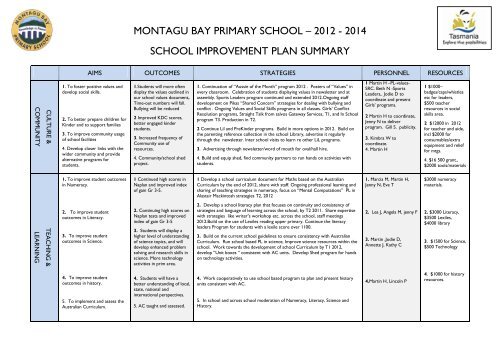
A practical school improvement plan template helps organize important information in a consistent format. It provides a starting point for documenting objectives, action steps, responsibilities, deadlines, resources, and performance indicators.
Using a template also makes it easier to compare progress across different departments and communicate expectations to staff members.
When choosing a template, look for one that includes the following sections:
- Improvement priority: The specific issue the school intends to address.
- Baseline data: Evidence describing the school’s current performance.
- Target outcome: The measurable result the school wants to achieve.
- Action steps: Activities required to reach the target.
- Responsible personnel: Individuals or teams accountable for implementation.
- Timeline: Dates for completing activities and achieving milestones.
- Required resources: Budget, materials, staff support, and training.
- Success indicators: Evidence used to evaluate progress.
- Review schedule: Dates for monitoring results and adjusting strategies.
School leaders can adapt these sections to their institution’s requirements, ensuring the plan remains practical rather than unnecessarily complicated.
Example of a School Improvement Plan
Consider a school that wants to improve student reading comprehension.
Its improvement plan might include the following objectives and actions:
Priority: Strengthen reading comprehension among middle-school students.
Baseline: Initial assessments indicate that 60% of students meet the school’s reading comprehension expectations.
Target: Increase this percentage to 75% by the end of the academic year.
Strategies: Introduce structured reading activities, provide targeted support for struggling readers, and offer professional development for teachers.
Responsibilities: The literacy coordinator oversees implementation, while classroom teachers deliver the instructional activities and monitor student progress.
Timeline: Conduct initial assessments during the first month, implement the strategies throughout the year, and review progress every six weeks.
Success indicators: Improved assessment results, stronger comprehension skills, and consistent participation in reading activities.
This example demonstrates how a broad educational priority can be translated into a measurable and manageable improvement initiative.
The specific target should always reflect the school’s baseline data, student needs, and available resources.
Common Mistakes to Avoid
Even well-intentioned improvement plans can struggle when important details are overlooked.
Setting too many goals: Excessive priorities can divide staff attention and limit progress. Focus on the areas with the greatest potential impact.
Using vague objectives: Goals such as improving teaching quality are difficult to evaluate without specific indicators and deadlines.
Ignoring stakeholder input: Teachers and other members of the school community can provide valuable insights into existing challenges and practical solutions.
Failing to allocate resources: Improvement activities need adequate time, training, materials, and leadership support.
Monitoring progress too infrequently: Waiting until the end of the academic year to review results makes it harder to identify and correct problems.
Treating the plan as a static document: An improvement plan should evolve as new evidence becomes available and school needs change.
Avoiding these mistakes helps transform the plan from an administrative document into a useful tool for everyday decision-making.
Best Practices for Sustaining School Improvement
Long-term progress depends on consistent implementation and a willingness to learn from experience.
School leaders should encourage collaboration among teachers, provide opportunities for professional learning, and use evidence to guide instructional decisions.
It is also important to celebrate meaningful progress. Recognizing improvements in attendance, academic performance, or classroom engagement can strengthen staff motivation and reinforce positive practices.
At the same time, leaders should remain realistic about the time required to achieve lasting change. Some interventions produce visible results quickly, while others require sustained effort across multiple academic terms.
Regular communication, effective leadership, and ongoing evaluation help ensure that improvement efforts remain aligned with student needs.
Frequently Asked Questions
What should a school improvement plan include?
A school improvement plan should include a needs assessment, measurable goals, action steps, assigned responsibilities, timelines, required resources, performance indicators, and a process for monitoring progress.
How often should a school improvement plan be reviewed?
Many schools review progress monthly or quarterly, depending on their priorities and reporting requirements. More frequent monitoring may be appropriate for urgent issues or interventions requiring close oversight.
Who should be involved in creating a school improvement plan?
The process typically involves school leaders, teachers, department heads, and other relevant stakeholders. Depending on the school’s context, parents, students, district representatives, and community partners may also contribute.
What makes a school improvement plan successful?
Successful plans are based on reliable evidence, focus on a manageable number of priorities, establish measurable targets, assign clear responsibilities, and include regular opportunities to evaluate and improve implementation.
Can a school improvement plan template be customized?
Yes. Schools should adapt a template to their educational goals, student needs, available resources, and applicable district or regulatory requirements. A template provides structure, but the actual plan should reflect the school’s unique circumstances.
Conclusion
Creating an effective school improvement plan requires thoughtful assessment, clear priorities, measurable objectives, and consistent evaluation. By following a structured process, school leaders can identify important challenges, coordinate staff efforts, and make informed decisions that support better educational outcomes.
A practical school improvement plan template can simplify this process by organizing goals, actions, responsibilities, and success indicators in one place. However, the real value of the plan comes from how consistently it is implemented and how effectively the school responds to evidence.
With strong leadership, collaborative planning, and regular progress reviews, schools can turn improvement goals into meaningful and sustainable changes that benefit teachers, students, and the wider school community.