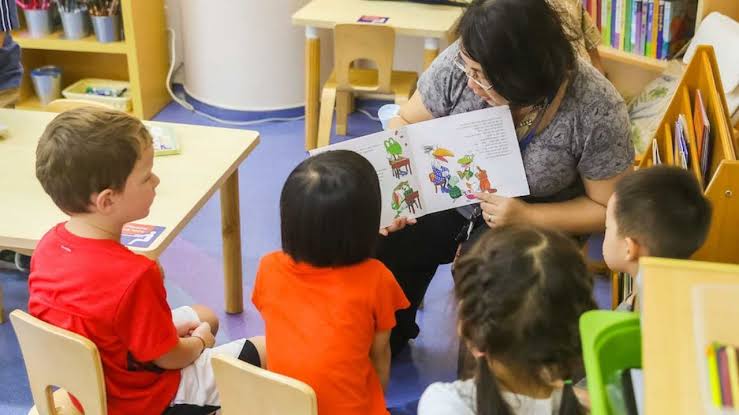

Teachers play a central role in education. Their responsibilities extend beyond delivering lessons and checking assignments. Teachers influence how students understand subjects, approach challenges, communicate with others, and develop confidence in their abilities. A supportive teacher can make a significant difference in a student’s educational experience.
One of the most important responsibilities of a teacher is creating a positive learning environment. Students learn more effectively when they feel respected and comfortable asking questions. A classroom where mistakes are treated as opportunities for learning can encourage students to participate more actively. Teachers can establish this environment by listening carefully, responding respectfully, and maintaining clear expectations.
Teachers also help students develop academic confidence. Some learners may believe that they are simply not good at mathematics, writing, science, or another subject. A teacher can help challenge this belief by breaking difficult tasks into manageable steps and showing students how improvement happens through practice. Constructive feedback can help students recognize both their strengths and areas that need additional work.
Effective communication is another important part of teaching. A subject may be difficult because students do not understand how information is being presented. Skilled teachers can explain the same concept in different ways. They might use examples, diagrams, practical demonstrations, stories, or questions depending on what students need.
Teachers also identify learning difficulties. Students do not always learn at the same pace. One student may understand a concept immediately, while another may require additional explanation and practice. Teachers who observe student progress can adjust lessons and provide additional support where necessary.
Beyond academic subjects, teachers can help students develop important personal skills. Group projects can teach collaboration, communication, responsibility, and time management. Classroom presentations can help students become more comfortable speaking in front of others. Research assignments can develop organization and information-evaluation skills.
Teachers can also influence students through their own behavior. Students observe how adults communicate, handle mistakes, solve problems, and treat others. A teacher who demonstrates patience, fairness, curiosity, and professionalism provides an example that students may remember long after a particular lesson has ended.
Technology has changed the teaching profession, but it has not removed the importance of teachers. Digital resources can provide information and interactive activities, but teachers help students understand how that information connects to their learning goals. They also provide human encouragement and recognize individual needs.
Teacher feedback is especially valuable. A simple grade may tell a student how they performed, but detailed feedback can explain how to improve. Effective feedback should be specific and focused on the student’s work. Instead of saying that an assignment is weak, a teacher can identify which section needs clearer evidence or better organization.
Relationships between teachers and students also matter. A teacher does not need to become a student’s friend, but mutual respect can create trust. When students believe that their teacher wants them to succeed, they may become more willing to ask for help when they experience difficulties.
Teachers also communicate with parents and guardians. When appropriate, sharing information about academic progress, classroom behavior, and areas requiring support can create a stronger connection between home and school. Consistent communication can help adults work together to support the student’s development.
However, teachers themselves require support. High workloads, administrative responsibilities, limited resources, and large class sizes can make teaching challenging. Schools need to provide professional development, useful resources, and reasonable working conditions so teachers can focus effectively on education.
In conclusion, teachers influence student success through instruction, encouragement, feedback, classroom management, and personal example. Their role involves much more than presenting information. Teachers help students develop confidence, curiosity, discipline, and practical skills that can remain valuable throughout life. Strong education depends not only on good curriculum and technology but also on teachers who have the resources and support necessary to help students learn effectively.