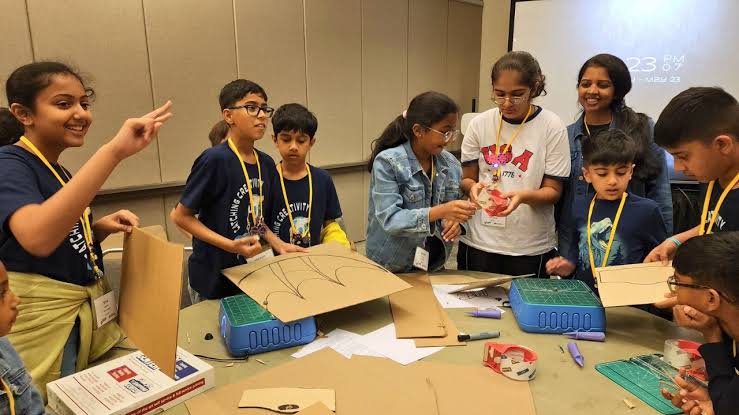

Project-based learning is an educational approach in which students gain knowledge and skills by working on meaningful projects. Instead of spending all their time listening to lectures or completing traditional exercises, students investigate questions, solve problems, create products, and present their findings. This approach can connect classroom learning with practical situations.
One major benefit of project-based learning is increased student engagement. Students are often more interested when they can work on a task with a clear purpose. For example, instead of simply reading about environmental problems, students might research waste management in their community and develop ideas for reducing waste. A practical project gives academic concepts a real-world context.
Projects can also encourage collaboration. Many projects require students to work in groups, divide responsibilities, communicate regularly, and combine their ideas. These activities help learners understand that successful teamwork requires listening, planning, compromise, and accountability.
Problem-solving is another important component. Projects rarely have only one simple step. Students may need to identify a problem, gather information, evaluate possible solutions, and decide how to present their final work. If something does not work as expected, they must adjust their approach. This process can help students become more comfortable with challenges and revision.
Project-based learning can also improve research skills. Students need to find information relevant to their project and determine which sources are useful. Teachers can guide students in identifying reliable information, organizing notes, and presenting evidence. These skills are valuable for academic work and future professional responsibilities.
Creativity is another advantage. Traditional assignments sometimes provide students with very specific instructions. Projects can offer more freedom in how students demonstrate what they have learned. One student might create a presentation, another might develop a model, and another might produce a written report. This flexibility can allow students to use their individual strengths.
Projects can connect multiple subjects. A single project might involve mathematics, science, writing, technology, and communication. For example, students designing a small school garden could calculate measurements and costs, research plant biology, write a proposal, and present the plan to their classmates. This shows students how different areas of knowledge can work together.
Assessment in project-based learning can also focus on the learning process. Teachers can evaluate research, teamwork, planning, problem-solving, and the final product. Students can maintain project journals or portfolios that show how their work developed over time. Such assessment can provide a broader view of student abilities than a single examination.
There are challenges as well. Projects require careful planning and sufficient classroom time. Without clear instructions, students may become confused about expectations. Group projects can also create difficulties if responsibilities are not distributed fairly. Teachers need to establish clear roles, deadlines, evaluation criteria, and opportunities for individual accountability.
Resources can be another consideration. Some projects require computers, materials, laboratory equipment, or access to community resources. Schools with limited budgets may need to design projects using affordable and easily available materials.
Teachers play an important role in guiding projects. Project-based learning does not mean that students are left completely on their own. Teachers introduce concepts, ask questions, monitor progress, provide feedback, and help students overcome obstacles. The teacher becomes a facilitator who supports learning throughout the process.
Students can also learn valuable time-management skills. A large project often needs to be completed over several days or weeks. Students must break the task into smaller steps, set deadlines, and monitor progress. These habits can become useful in higher education and professional environments.
In conclusion, project-based learning can make education more active, practical, and collaborative. It gives students opportunities to apply knowledge, solve problems, conduct research, communicate ideas, and create meaningful work. Although successful projects require planning and resources, the approach can provide students with experiences that extend beyond memorizing information. When carefully designed, project-based learning can connect classroom knowledge with real-world skills.